
 JA
 EN
 DE
 RU
 FR
 PT
 ES
 IT
Many buyers ask how many units fit in a 40HQ before asking about steel thickness. That is not shallow purchasing behavior. It is evidence of understanding the real cost structure of reusable transport equipment. At Mgrack, container loading efficiency is often one of the first key decision points.
The reason is simple. When buyers order reusable panel racks for export, freight costs do not end with the first shipment. The rack design needs to work not only inside the factory but also inside the container.
Why loading capacity matters so much in reusable rack projects
With disposable support materials, buyers may focus only on unit price. With reusable racks, the freight cost burden per unit can change the entire purchasing equation. This is especially true when racks are shipped overseas in large volumes and later returned empty in batches.
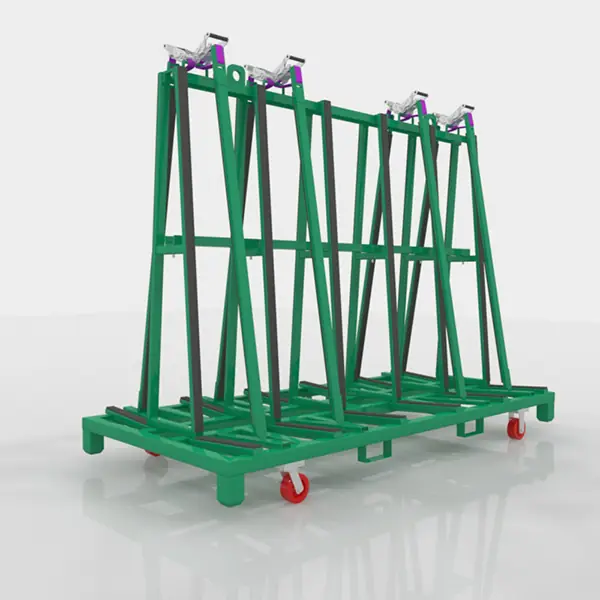
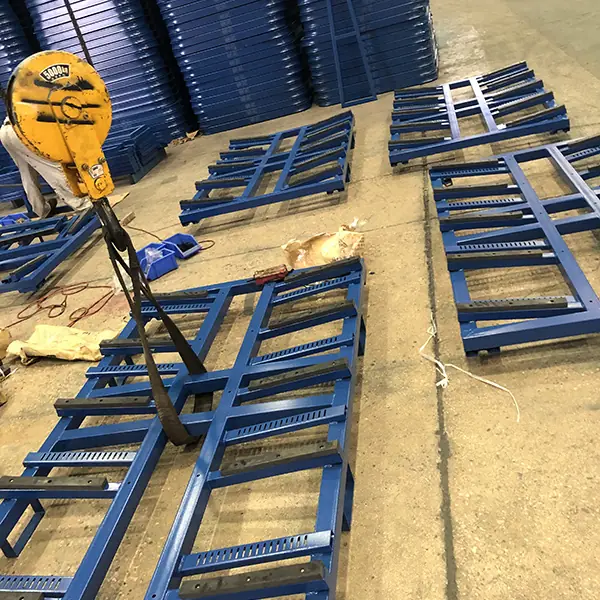
Mgrack is designed around that reality. The KD structure separates the main frame into more stackable components, improving the potential for high loading density.
Why buyers should avoid overly generalized loading promises
One mistake in this market is treating all loading claims as universal. They are not. The actual quantity depends on rack length, width, height, wheel setup, accessory details, and how the parts are packed. A serious supplier should not present a single loading number as if it fits every Mgrack version.
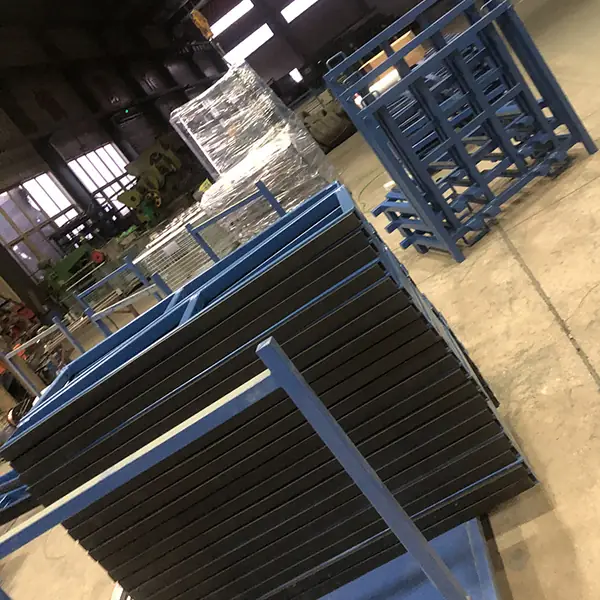
That said, the direction is clear. Disassembled racks can typically be loaded more efficiently than fixed welded racks of the same use class. This is because vertical empty structures become more flatly packed components.
How better packing density influences buyer decisions
Higher packing density changes more than just container math. It can change whether a reusable rack project is commercially acceptable. If moving empty steel space costs too much, the rack may perform well on the workshop floor but become hard to justify.
That is why Mgrack is often discussed as a logistics tool as much as a handling tool. Customers are not just buying racks. They are buying a reusable transport system that works across storage, movement, shipping, and return.
What buyers should confirm before ordering
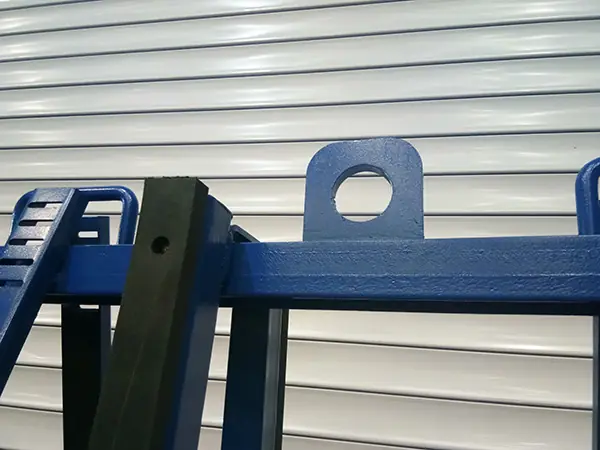
Even if the loading logic is attractive, buyers need to confirm product dimensions, forklift access, single-side storage width, wheel type, and whether standard film packaging is acceptable. They also need to accept that the rack arrives as a bolted assembly structure, not a ready-to-use welded frame.
These points are not small details. They are part of the actual decision and should be discussed before the order is placed, not after the container is already at sea.
よくある質問
Q: Can one published container quantity be used for all Mgrack sizes?
A: No. The loading quantity always depends on the exact rack specifications and packing method.
Q: Why is the KD structure so important in container planning?
A: Because it allows the base and supports to be packed separately and more densely, reducing wasted shipping volume.
Q: Does standard packaging fully protect the painted finish?
A: No. Standard film and strap packaging may cause minor paint scuffs during transit. Wooden crate packaging provides better cosmetic protection at additional cost.
Q: Is Mgrack designed exclusively for export loading?
A: No. It is also designed for in-factory movement and temporary upright storage of fragile panels.
ワークフローをアップグレードする準備はできましたか?
Contact our engineering team today to discuss your specific requirements and obtain a customized solution.