
 EN
 DE
 RU
 FR
 PT
 ES
 IT
 JA


Your workshop floor is prime real estate. Every square foot dedicated to disorganized Work-in-Progress (WIP) is a bottleneck costing you money. Traditional A-frames are great for bulk, but for sorting individual lites between the CNC cutting table and the IGU line, they’re space hogs. There’s a smarter way to manage your flow and reclaim your floor.
In the world of glass fabrication, the term “high density” is often thrown around. But when it comes to a glass harp rack, true high density isn’t just about cramming more lites into a smaller footprint. It’s an engineered system designed to increase storage capacity while simultaneously enhancing protection, improving workflow, and boosting the efficiency of critical processes like sorting glass units.
It’s More Than Just Narrow Slots
Achieving effective high density is a balance of intelligent design choices that address the real-world challenges of a busy fabrication floor. It goes far beyond simply reducing the space between dividers.
The Core Principle: Vertical, Independent Storage
The foundational advantage of a harp rack is its vertical storage orientation. By utilizing vertical space, it drastically reduces the physical footprint required for WIP inventory compared to horizontal or less-organized methods. Each glass lite occupies its own discrete slot, allowing operators to access any specific piece without needing to move others. This is a game-changer for operations like pairing lites for Insulated Glass Unit (IGU) manufacturing, where quick and accurate retrieval is paramount to keeping the production line moving.

Protective Dividers: The Key to Safe Density
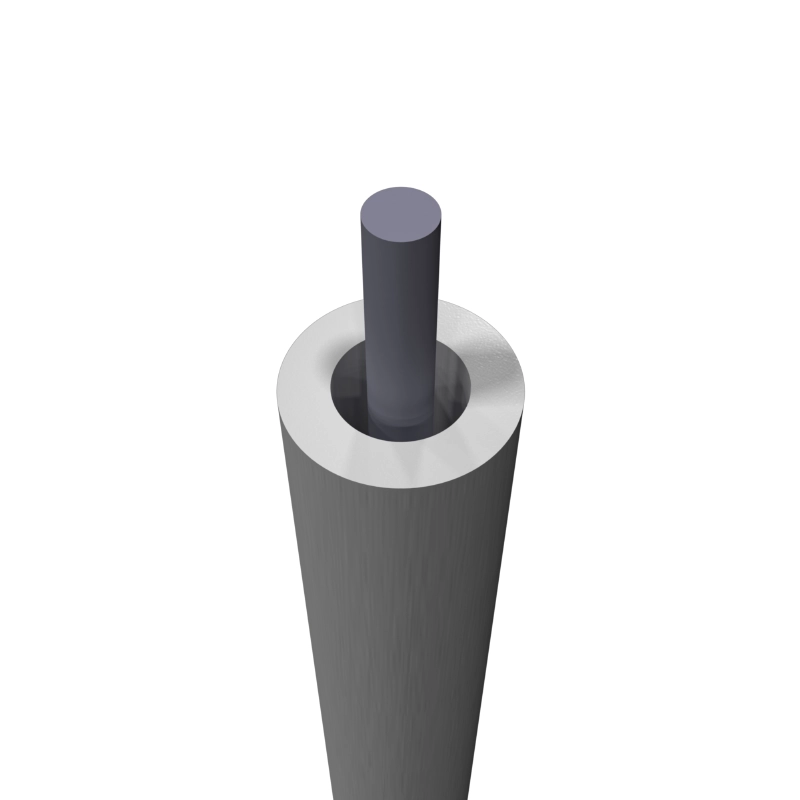
Storing glass lites close together introduces risk. Without proper protection, expensive materials like Low-E coated glass can be easily scratched, and the risk of edge chipping increases. A true high-density harp rack solves this with a sophisticated divider system. Each steel divider rod is encased in a soft, durable PVC casing. This composite structure provides the rigidity needed to separate heavy lites while offering a non-abrasive, elastic contact surface. This design ensures that even when storing dozens of lites just inches apart, the surface integrity of each piece is perfectly preserved, minimizing costly remakes and material waste.
From Compact Footprint to Streamlined Workflow
The ultimate goal of high-density storage is to make your entire operation more efficient. By optimizing how glass is stored and moved between processes, a well-designed harp rack directly impacts your bottom line.
Maximizing Your Work-in-Progress (WIP) Capacity
A harp rack functions as a mobile WIP buffer station, a critical link between your fixed machinery. With models like the HR-84 capable of holding up to 84 individual lites of thin glass (up to 5/16″), you can stage a significantly larger volume of cut pieces from the CNC Glass Cutting Table in the same floor area. This creates a steady, organized buffer, ensuring that downstream processes like the glass washing machine or laminating line are never starved for material. The result is a smoother, more continuous production flow and higher overall throughput.

Solving the Thin Glass & Non-Standard Lite Challenge
One of the biggest failures of generic racks is their inability to handle variability. Thin glass lites (e.g., 1/4″) can rattle in overly wide slots, leading to micro-cracks during transport. Short, tall lites may not have enough bottom support on standard roller bases, creating a tipping hazard. High-density solutions address this with specialized designs like full base harp racks. These models feature a solid steel base with precisely machined slots that provide continuous edge support, regardless of the lite’s length. With the ability to customize slot widths, you can create a perfect, secure fit for thin glass, eliminating movement and protecting your most fragile products.

High Density by the Numbers
The specifications of a harp rack directly reflect its high-density capabilities. Here’s a look at how different models are optimized for specific applications:
| Model / SKU | Footprint (L × W × H) | Slot Capacity | Ideal Glass Thickness | Dynamic Load | Primary Feature |
|---|---|---|---|---|---|
| HR-84 | ~59″ × 47″ × 71″ | 84 | 0 – 5/16″ | ~3300 Lbs | High-density for thin glass |
| HR-40 | ~59″ × 39″ × 71″ | 40 | ≤ 1/2″ | ~3300 Lbs | Standard, general purpose |
| HR-40 (Narrow Base) | ~39″ × 47″ × 71″ | 40 | 5/16″ – 1/2″ | ~3300 Lbs | Optimized for thicker lites |
Ultimately, a “high-density” harp rack is more than just a piece of storage equipment. It’s a strategic tool that empowers glass fabricators to reclaim valuable floor space, protect high-value materials, and create a more efficient, streamlined production environment from the first cut to the final assembly.
Frequently Asked Questions
1. How does a high-density harp rack handle different glass thicknesses?
High-quality harp racks offer customization. For thin glass, models with narrower, fixed slot spacing are ideal. For operations handling various thicknesses, options like full base racks with custom-milled slot widths provide a secure, tailored fit for each job, preventing the rattling and micro-fractures common with one-size-fits-all solutions.
2. Is a harp rack stable for transport when fully loaded at high density?
Absolutely. They are engineered for mobility under heavy loads. Key features include a robust Q235A carbon steel frame, heavy-duty polyurethane casters (often two fixed, two swivel with brakes), and an advanced Foot-Actuated Lifting Mechanism. This mechanism slightly lifts the entire load off the casters and locks it against a fixed stop, preventing any movement or vibration during in-plant transfer.
3. What is the typical slot capacity of a high-density model?
This depends on the glass thickness it’s designed for. A model like the HR-84 is specifically designed for high-density storage of thin glass (up to 5/16″), offering 84 slots in a compact footprint. Models for thicker glass will naturally have fewer slots (e.g., 40) to accommodate the material width.
4. Can these racks protect coated glass like Low-E in a dense configuration?
Yes, this is one of their primary design functions. The dividers feature a soft PVC casing over a rigid steel core. This non-abrasive surface is critical for preventing scratches and scuffs on sensitive coatings like Low-E, ensuring that high-value glass remains pristine from storage to assembly.
5. How does the knock-down (bolted assembly) design benefit a large fabrication plant?
The knock-down design provides significant logistical advantages. Racks can be shipped flat-packed, drastically reducing freight volume and cost, especially for international container loading. This also makes it much easier to move the components into facilities with tight access or onto different floors before assembly, offering greater flexibility when outfitting a new production line or an entire plant.
GET IN TOUCH
Please Don’t Hesitate If You Have Any Questions Or Special Requirements Fill In The Form Below!
Request a Factory-Direct Price Quote
Get customized CAD drawings, dynamic loading calculations, and wholesale price quotes. Response within 12 hours.