
 EN
 DE
 RU
 FR
 PT
 ES
 IT
 JA


Is your shop floor a bottleneck of mismatched lites and delayed orders? When your CNC cutting table outpaces your IGU assembly line, the real cost isn’t just wasted space—it’s lost throughput. The constant shuffle of glass to find the right pair for an insulated glass unit creates a chaotic workflow, risking scratches, edge damage, and operator strain. It’s time to stop managing chaos and start engineering efficiency.
The Real Cost of Disorganized Glass Sorting in Fabrication
In any high-volume glass fabrication facility, the efficiency of your multi-million dollar glass tempering furnace or automated IGU line is directly limited by how effectively you can feed it. The chaotic phase between cutting and assembly—the sorting and pairing of individual glass lites—is often the most significant hidden drain on productivity. This disorganization manifests in critical, costly ways.
The “IGU Pairing” Bottleneck
For an Insulated Glass Unit Manufacture, the process of “pairing” or “teaming up” two corresponding lites of glass before they enter the washing and sealing line is a constant challenge. Using standard A-frame or L-frame racks for this task is inefficient. Operators waste valuable time searching for matching pieces, often having to handle multiple heavy lites to access the one they need. This manual shuffle not only slows down the entire production line but also dramatically increases the risk of handling damage like scratches or edge chips, especially on high-value Low-E coated glass.

The Fragility Challenge: Thin Lites and Custom Shapes
Handling thin glass (e.g., 1/4″ or 6mm) or non-standard architectural lites presents another set of problems. In conventional racks with wide, undefined spacing, thin glass can rattle and shift during in-plant transfer, leading to micro-cracks that cause failure during the tempering process. Furthermore, tall, narrow lites for custom shower doors or curtain walls are notoriously unstable on racks that don’t offer continuous bottom support, creating a significant risk of tipping, breakage, and operator injury.
Engineered for Flow: How Harp Racks Systematize Sorting
A harp rack for sorting glass units is not merely a storage device; it’s a purpose-built workflow tool designed to solve these specific fabrication challenges. Its unique structure directly translates into a more streamlined, secure, and efficient production process.
High-Density Slots: Turning Chaos into Order
The core advantage of a Harp Rack is its series of closely spaced, vertical dividers. This design transforms sorting from a random search into a systematic process.
- Systematic IGU Pairing: Operators can pre-sort and stage cut lites into numbered slots. When it’s time for assembly, they can retrieve precisely matched pairs in sequence, eliminating search time. The rack acts as a mobile Work-in-Progress (WIP) buffer station that moves with the production flow.
- Single-Lite Access: Unlike A-frames where lites are leaned against each other, each slot on a harp rack holds glass independently. This allows for safe and immediate access to any piece without disturbing adjacent ones, protecting surfaces and edges.
Structure That Protects: From Coating to Core
Every component of a harp rack glass trolley is designed with the fragility of glass in mind.
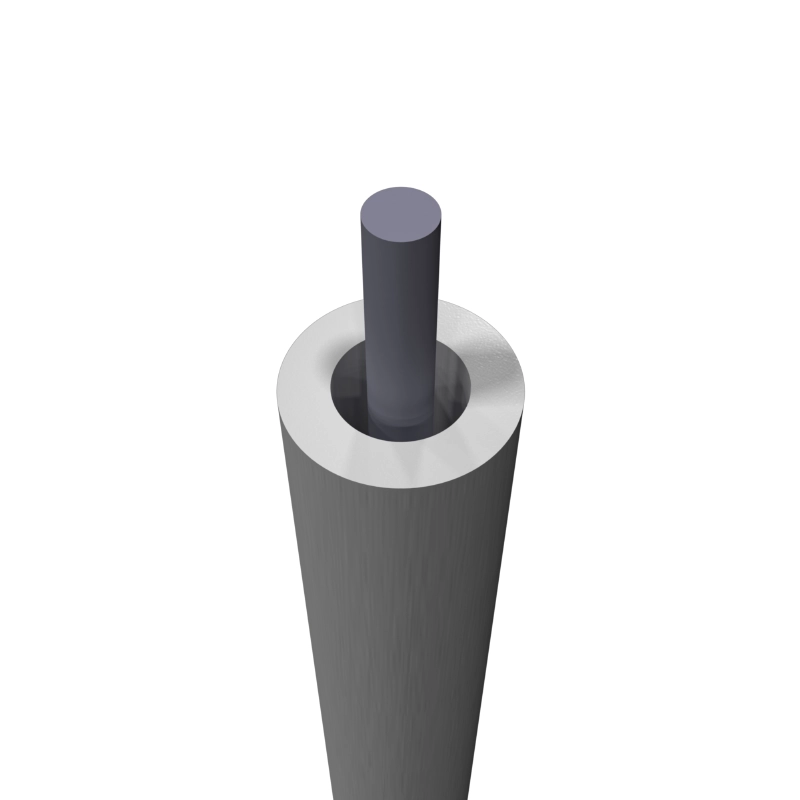
- Scratch-Free Dividers: The steel divider rods are encased in soft, durable PVC casing. This provides a non-abrasive contact surface that protects delicate Low-E and other special coatings from scratches that would otherwise lead to costly remakes.
- Secure Base Options: For thin glass, custom slot widths provide a snug fit, preventing rattling and micro-fractures. For non-standard sizes, the full steel base with slots offers continuous, edge-to-edge support, eliminating the instability and tipping risk common with roller-only bases.
Beyond Sorting: Boosting Overall Plant Throughput and Safety
By solving the sorting bottleneck, the benefits of a harp rack ripple throughout the entire facility. It becomes the logistical catalyst that connects your isolated glass fabrication equipment into a cohesive, high-velocity production line.
The Mobile WIP Station: A Lean Manufacturing Tool
Instead of piling up glass near a machine, a full harp rack can be wheeled directly from the CNC cutting table to the tempering line’s loading area or the IGU washing machine. This seamless in-plant transfer reduces handling, minimizes the risk of damage during transit, and ensures your capital-intensive machinery is never starved for material. The result is a tangible increase in daily throughput and a shorter order-to-delivery cycle.

Safety by Design: Secure Transport Across the Floor
Moving up to 3,300 lbs (1500 kg) of glass across a busy shop floor requires absolute stability. Advanced harp racks feature a foot-actuated lifting mechanism. This system locks the glass load against a fixed buffer and slightly lifts the frame, preventing any shifting or sliding during movement. This not only protects the product from vibration damage but also drastically improves operator safety, reducing the risk of catastrophic load failure.

Ultimately, integrating harp racks for sorting glass units is a strategic move to address the foundational inefficiencies in glass fabrication. By transforming the chaotic sorting process into a systematic, mobile, and secure workflow, you directly enhance productivity, reduce material waste, and create a safer working environment.
Frequently Asked Questions
1. How is a harp rack better for sorting than a standard A-frame rack?
While A-frame racks are excellent for bulk storage of same-sized lites, they are inefficient for sorting. To access a lite in the middle, you must move the ones in front. A harp rack provides individual slots, allowing instant, non-disruptive access to any single piece of glass, making it ideal for the complex pairing and sequencing required in IGU and custom fabrication.
2. Can these racks handle expensive Low-E coated glass without causing scratches?
Absolutely. The divider rods on our harp racks are made with a steel core for strength and are fully coated in a thick, soft PVC casing. This design ensures that the delicate, often expensive, Low-E coating only comes into contact with a non-abrasive, protective surface, preventing scratches and scuffs during storage and transport.
3. We process many tall, narrow architectural lites. Are harp racks a stable solution?
Yes, especially models featuring a full steel base with slots. Unlike racks with only a few rows of rollers, this design provides a continuous line of support along the entire bottom edge of the glass, regardless of its length. This completely mitigates the tipping risk associated with storing top-heavy or oddly proportioned lites.
4. What is the typical dynamic load capacity of a harp rack glass trolley?
Our standard models are engineered with a robust Q235A carbon steel frame and heavy-duty polyurethane casters to safely handle a dynamic load of up to 1500 kg (approximately 3,300 lbs). We also offer custom heavy-duty versions for applications involving exceptionally large or thick laminated glass units.
5. How can these racks help reduce our international shipping costs?
Our harp racks are designed with a knock-down, bolted assembly structure. This means they can be shipped disassembled and flat-packed. This dramatically reduces the shipping volume compared to a fully welded unit, allowing more racks to fit into a single shipping container and significantly lowering freight costs for our international clients.
GET IN TOUCH
Please Don’t Hesitate If You Have Any Questions Or Special Requirements Fill In The Form Below!
Request a Factory-Direct Price Quote
Get customized CAD drawings, dynamic loading calculations, and wholesale price quotes. Response within 12 hours.