
 EN
 DE
 RU
 FR
 PT
 ES
 IT
 JA


You’ve just assembled a full batch of high-value Insulated Glass Units (IGUs), each one heavy and awkward. Now comes the critical in-plant transfer to the curing area. The last thing you need is a trolley that wobbles, shudders, or worse, fails under the combined weight. A single collapsed trolley doesn’t just mean lost material; it means a stalled production line and a serious safety incident.
When evaluating a glass harp rack trolley, the load capacity figure is more than just a number on a spec sheet—it’s a direct reflection of the equipment’s ability to safeguard your product, people, and productivity. For glass fabricators handling increasingly heavy laminated glass and multi-pane IGUs, understanding what underpins that capacity is crucial.
Beyond the Number: What Defines a “Heavy Duty” Load Capacity?
In any glass processing facility, equipment is rarely stationary. The most important capacity rating isn’t what a rack can hold while sitting still (static load), but what it can safely handle while moving across your shop floor (dynamic load). The dynamic load capacity accounts for real-world forces: the vibrations from rolling over concrete seams, the inertia from starting and stopping, and the stress of maneuvering around a busy production line. This is where a truly “heavy-duty” design proves its worth. A standard HR-40 model, for example, is rated for a dynamic load of 1500 kg (approx. 3,300 lbs), engineered specifically for these demanding conditions.
The Engineering Behind a 3,300 Lbs Dynamic Load Capacity
A reliable load rating is not an accident; it’s the result of deliberate engineering choices from the ground up. Here’s how the structural integrity of a heavy-duty harp rack is achieved.
Foundation of Strength: Q235A Carbon Steel Frame
The entire framework, from the base to the uprights, is constructed from industrial-grade Q235A Carbon Steel. This material is the standard for structural applications due to its excellent strength, plasticity, and weldability. Unlike lighter-gauge metals, Q235A provides the necessary rigidity to prevent flexing and deformation under the immense, concentrated weight of vertically-stored glass lites, ensuring the frame remains stable during transit.

Unyielding Joints: The Industrial Full Welding Process
The integrity of a steel structure is only as strong as its weakest joint. That’s why we insist on an industrial equipment full welding process for all critical connections. Unlike spot welding, which creates intermittent points of contact, full welding provides a continuous, solid seam. This technique distributes the stress of a heavy load evenly across the entire joint, dramatically increasing fatigue resistance and eliminating the risk of joint failure—the primary cause of catastrophic equipment collapse during in-plant transfers.

Smooth & Secure Mobility: Heavy-Duty Polyurethane Casters
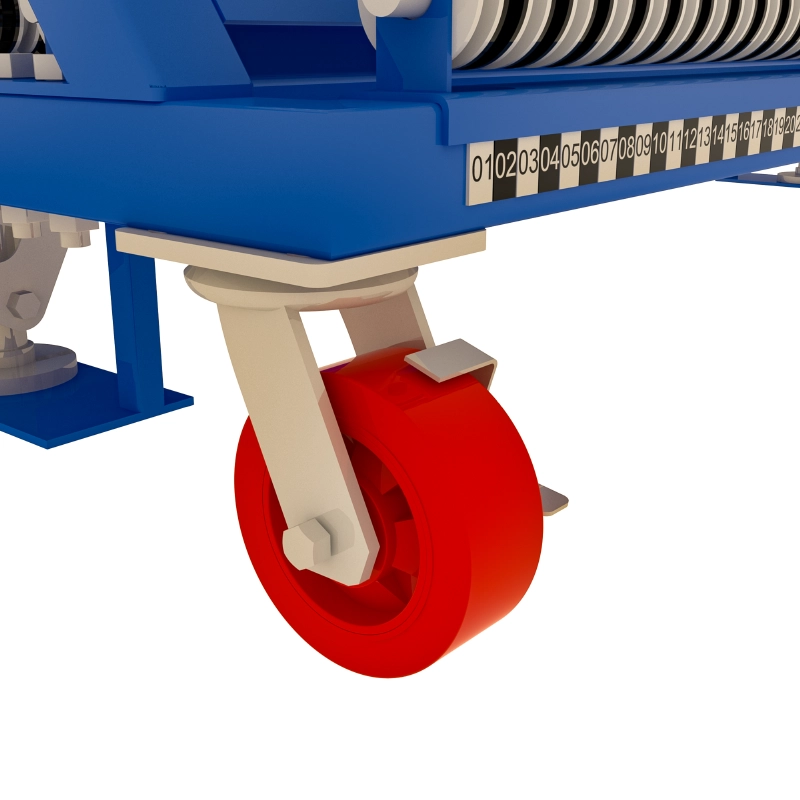
The final link in the load capacity chain is the caster assembly. Our harp racks are equipped with heavy-duty polyurethane casters, specifically chosen for their high load-bearing capability and durability on industrial concrete floors. Polyurethane provides a superior combination of hardness for easy rolling and elasticity to absorb shocks and vibrations, protecting the glass from micro-cracks. The standard configuration of two fixed and two braking swivel casters ensures that a 3,300 lbs load can be moved with surprising ease and then locked securely in place.
From Specification to Shop Floor: The Real-World Impact
When a harp rack trolley is engineered with this level of structural integrity, its load capacity becomes a reliable tool for your operations. It means your team can confidently load a full batch of custom shower doors or architectural glass panels directly from the CNC cutting table and move them to the tempering furnace without hesitation. This trust in equipment translates directly to faster workflow, a dramatic reduction in material loss from handling accidents, and a fundamentally safer environment for your personnel. It transforms the trolley from a simple cart into a dependable mobile WIP (Work-in-Progress) buffer station that enhances your entire production flow.

Ultimately, the load capacity of a heavy duty glass transport rack is the guarantee that it can withstand the rigors of your facility day in and day out. It’s an assurance built on a foundation of superior materials, robust construction methods, and industrial-grade components, ensuring your valuable products are always secure.
Frequently Asked Questions
1. What is the standard dynamic load capacity of your harp rack trolleys?
Our standard models, such as the HR-40 and HR-84, are engineered with a dynamic load capacity of 1500 kg (approximately 3,300 lbs). This rating is specifically tested for the typical conditions found in a busy glass fabrication facility, including movement over uneven surfaces.
2. Can the load capacity be customized for extra-heavy materials like jumbo glass lites?
Yes. We can design and manufacture custom harp racks with increased load capacities. This involves using thicker gauge Q235A carbon steel, reinforcing the base structure, and specifying even higher-rated heavy-duty casters to meet the unique demands of handling oversized or multi-laminated architectural glass.
3. How does the knock-down (bolted assembly) design affect the overall strength and load rating?
The knock-down design does not compromise the load capacity. The connection points are precisely engineered with high-tensile bolts, and the stress is primarily borne by the fully welded sub-assemblies (base and uprights). This design provides the strength of a welded unit while offering significant savings on shipping and logistics.
4. Are the casters individually rated to support the full load of the rack?
Absolutely. The casters are a critical component of the dynamic load system. We select a set of four casters whose combined rated capacity significantly exceeds the maximum stated load capacity of the rack. This provides a crucial safety margin and ensures long-term durability and smooth operation under full load.
5. How often should we inspect the rack for signs of stress that could affect its load capacity?
We recommend regular visual inspections as part of your plant’s routine equipment maintenance. Check for any signs of cracking in the welds (especially at the base and upright joints), bent frame members, or excessive wear on the caster wheels and bearings. Addressing any potential issues early is key to maintaining the rack’s safety and full load-bearing capability.
GET IN TOUCH
Please Don’t Hesitate If You Have Any Questions Or Special Requirements Fill In The Form Below!
Request a Factory-Direct Price Quote
Get customized CAD drawings, dynamic loading calculations, and wholesale price quotes. Response within 12 hours.