
 EN
 DE
 RU
 FR
 PT
 ES
 IT
 JA


Your CNC cutting table is running at full capacity, but your tempering furnace is waiting. Between them, a graveyard of scratched Low-E lites and chipped edges is silently eating into your profits. The bottleneck isn’t your multi-million dollar machinery; it’s the ten-meter journey between them. It’s time to fix the flow.
In the glass fabrication industry, the focus is often on the precision of a CNC cut or the flawless temper of a furnace. Yet, the true test of a plant’s profitability often lies in the unglamorous, high-risk process of in-plant transfer. Every time a heavy glass lite is moved, it’s a liability. The wrong storage solution doesn’t just waste space; it actively damages high-value materials. This raises a critical question for operations managers: is the very framework of your Work-in-Progress (WIP) storage, specifically its steel, robust enough to protect your bottom line? The answer lies in understanding how industrial-grade Q235A steel transforms a simple rack into a strategic asset.
Why Q235A Steel is the Bedrock of Glass Protection
A Harp Rack isn’t just a collection of bars and wheels; it’s an engineered system designed to withstand the immense static and dynamic loads of architectural glass. The choice of material is paramount. We build the core structure—the base, uprights, and primary supports—from Q235A Carbon Steel. This isn’t an arbitrary choice; Q235A offers an optimal blend of strength, ductility, and excellent weldability, making it the ideal foundation for equipment that must endure the daily rigors of a busy fabrication floor.
From Raw Steel to Unyielding Structure: The Role of Full Welding
The potential of Q235A steel is only realized through superior manufacturing processes. Unlike competing racks that may use spot welding to cut costs, our frames are constructed using an Industrial Equipment Full Welding Process. A full weld provides a continuous, incredibly strong bond along the entire joint, distributing stress evenly and dramatically increasing structural integrity and fatigue resistance. When a harp rack glass trolley loaded with 1,500 kg (over 3,300 lbs) of glass is rolled across an uneven workshop floor, the last thing you want is a frame that flexes or a weld that pops. The fully welded Q235A structure ensures that the frame remains rigid, protecting the fragile glass from the shock and vibration of movement.

The Foundation of Stability: How a Steel Frame Prevents Costly Scratches
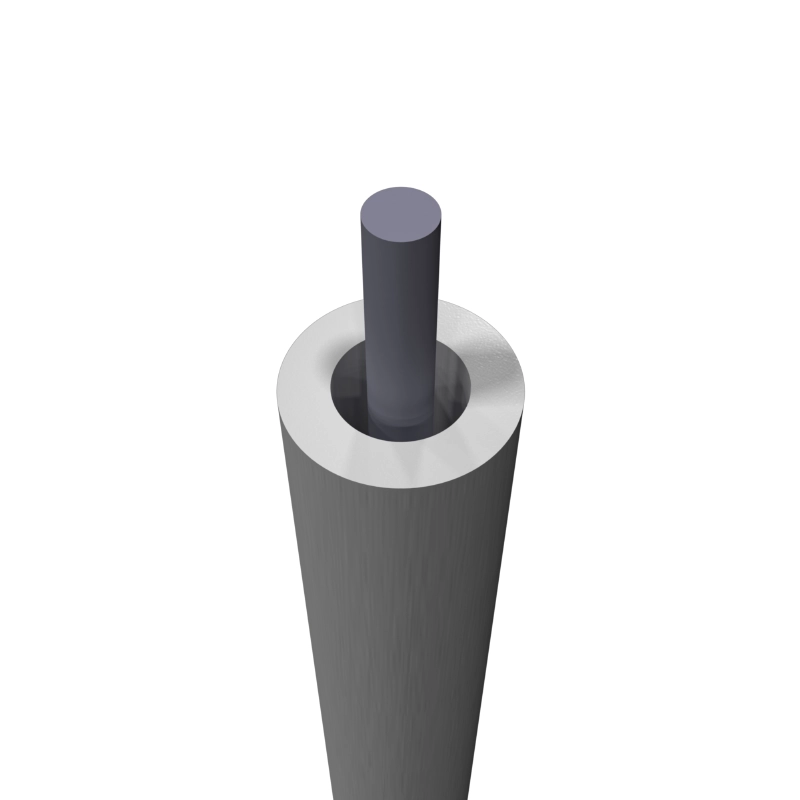
The robust steel frame is the skeleton, but the protective features are the skin. The unyielding strength of the steel structure allows for the integration of critical glass-facing components that wouldn’t be effective on a flimsy frame. Each steel divider rod is sheathed in a thick, non-abrasive PVC casing. This composite design leverages the best of both materials: the inner steel core provides the rigidity to separate heavy glass lites, while the outer PVC layer offers a soft, forgiving surface that prevents scratches, especially on sensitive Low-E and other coated glass surfaces. This seemingly small detail is the difference between a deliverable product and a costly piece of scrap.
Translating Steel Strength into Fabrication Efficiency
A strong rack is a safe rack, but a smartly designed one is a profitable one. The stability provided by the Q235A steel chassis enables features that directly accelerate your production workflow, turning a storage unit into a dynamic production tool.
Streamlining IGU “Kitting”: A Steel-Framed Sorting Powerhouse
For any Insulated Glass Unit Manufacture, the process of “kitting” or “pairing” lites before they enter the washing machine and assembly line is a notorious bottleneck. Using oversized A-frame racks for this task is inefficient and risky. The Harp Rack’s design transforms this process. With dozens of individually numbered slots, operators can create a mobile, high-density sorting station. A single operator can quickly sort and stage matched pairs of glass from the CNC cutting table, then wheel the entire, organized batch directly to the IGU line. This eliminates double-handling, reduces the chance of mix-ups, and significantly shortens the cycle time for IGU assembly.

The Unseen Economic Advantage: Smart Structural Design
The benefits of a well-engineered steel structure extend beyond the factory floor and directly impact your procurement costs, particularly for international clients.
Slashing Freight Costs with a Knock-Down Steel Design
Shipping a fully assembled, welded steel rack is incredibly expensive due to its large volume. Our glass harp rack is engineered with a knock-down bolted assembly structure. The main components—base, uprights, and divider grids—are manufactured to precise tolerances and designed to be bolted together on-site. This allows for flat-pack shipping, drastically reducing the cubic volume of the shipment. The practical benefit is clear: more units can fit into a single shipping container, significantly lowering the per-unit freight cost and making high-quality equipment more accessible, no matter your location.

In conclusion, the Q235A steel in a Harp Rack is not just a material spec—it’s the core of a comprehensive solution for the glass industry. It provides the unyielding strength needed to carry heavy loads, the stable foundation required for precision sorting and protection, and the smart engineering that delivers economic benefits from the factory floor to the shipping container. It’s the silent, reliable partner that ensures your investment in advanced glass processing machinery yields its maximum return.
Frequently Asked Questions
1. How does the Q235A steel frame handle the weight of jumbo or oversized glass lites?
The frame is engineered using Q235A steel square and rectangular tubing, and its A-frame design provides exceptional structural stability. Combined with our full welding process, the rack is rated for dynamic loads up to 1500 kg (3300 lbs) for standard models, with heavy-duty custom versions available for even larger capacities. This ensures it can safely handle the transport of multiple large, heavy glass lites without flexing or structural failure.
2. Can the rack’s slot width be customized for thin (e.g., 6mm) or thick laminated glass?
Absolutely. This is a key advantage. For clients handling thin glass, we can customize the base with narrower slots to prevent the lites from rattling and developing micro-cracks during movement. For those working with thick laminated or insulated glass units, we can provide wider slots for a secure fit. This customization ensures optimal stability and protection regardless of glass thickness.
3. What’s the practical difference between the nylon roller base and the full steel base with slots?
The nylon roller base is designed for ease of loading and unloading heavy glass; the rollers reduce friction, allowing an operator to slide lites in and out with less effort. The full steel base with custom-milled slots (often lined with PVB or HDPE) provides continuous, edge-to-edge support along the bottom of the glass. This design is superior for storing non-standard sizes, especially short-but-tall lites that might be unstable on a roller system.
4. How does the electrostatic spraying on the steel frame hold up in a glass processing environment, which can be humid?
The surface is treated with an industrial powder coating applied via electrostatic spraying. Before spraying, all steel components undergo sandblasting and rust removal. This multi-stage process creates a durable, uniform, and highly adhesive finish that is resistant to chipping, scratching, and corrosion from moisture, which is common near glass washing and edging machines. For extreme environments, a hot-dip galvanizing option is also available.
5. Is the knock-down assembly process complicated for our on-site maintenance team?
No, it’s designed for straightforward assembly. The rack consists of a few primary modules and a standard set of bolts. The process typically involves loosely connecting the uprights to the base, attaching the main grid, and then tightening all bolts once everything is aligned. A basic mechanical skillset and standard tools are all that’s required. This simplicity ensures you can get the racks operational quickly without needing specialized technicians.
GET IN TOUCH
Please Don’t Hesitate If You Have Any Questions Or Special Requirements Fill In The Form Below!
Request a Factory-Direct Price Quote
Get customized CAD drawings, dynamic loading calculations, and wholesale price quotes. Response within 12 hours.